How to Prepare Your Home for Exterior Painting: A Pressure-Washing Guide
Understanding the Importance of Pressure Washing
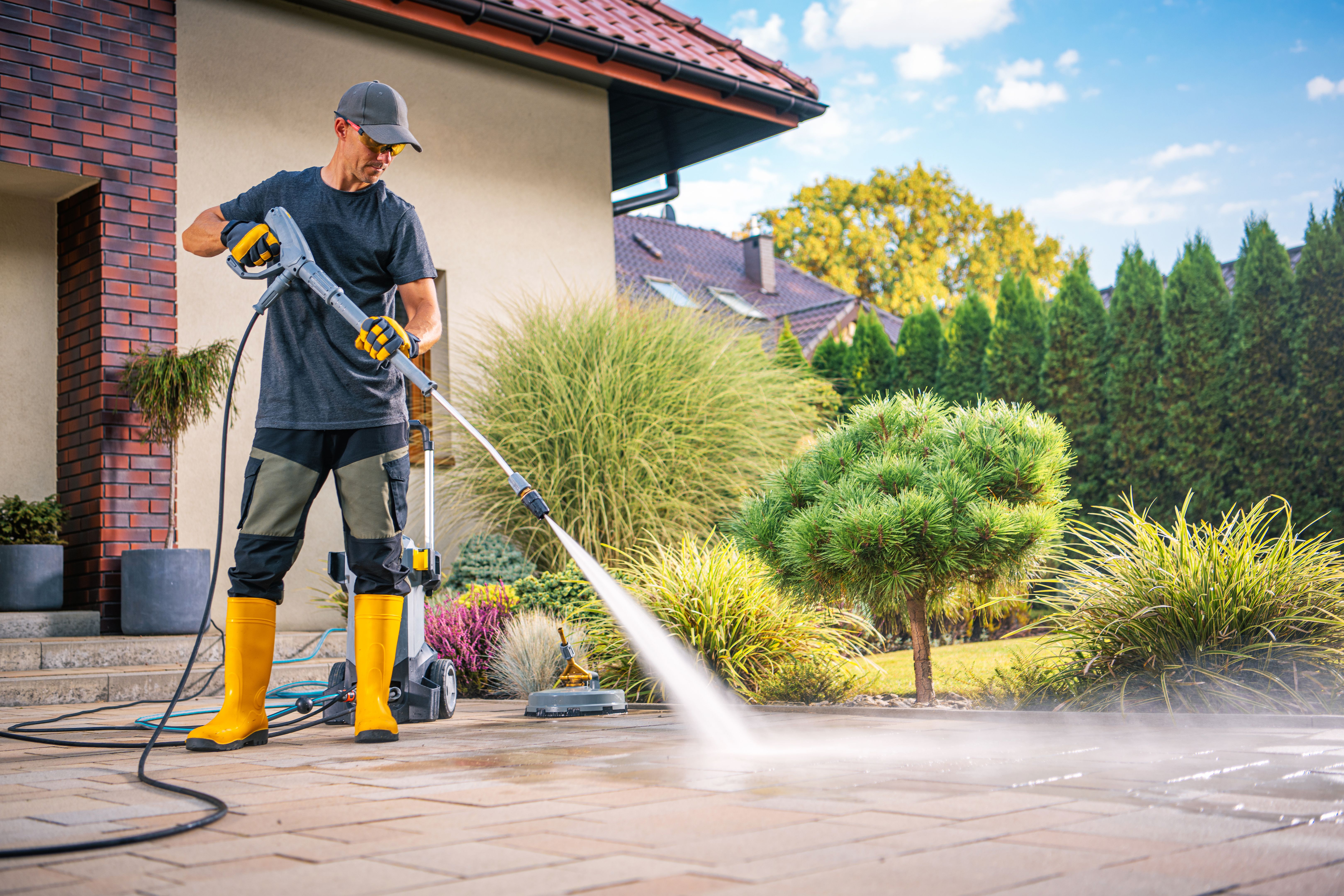
Preparing your home for exterior painting involves several crucial steps, with pressure washing being one of the most important. This process removes dirt, grime, mold, and old paint, creating a clean surface for the new paint to adhere to. A thorough pressure wash can significantly extend the life of your paint job, ensuring a smooth and professional finish.
Gather the Right Tools and Materials
Before you begin, make sure you have all the necessary tools and materials. Here's a list of items you'll need:
- Pressure washer
- Detergent or cleaning solution
- Garden hose
- Protective gear (gloves, goggles)
- Brush or broom for tough spots
Having these tools on hand will ensure an efficient and safe pressure washing experience.
Preparing the Area
Start by preparing the area around your home. Remove any outdoor furniture, decorations, and potted plants from the immediate vicinity. Cover delicate plants and electrical outlets with plastic sheets or tarps to protect them from water and cleaning agents. This preparation helps prevent damage and ensures you can move freely while washing.
Choosing the Right Detergent
Selecting an appropriate detergent is key to effectively removing grime and mildew. Look for a cleaning solution specifically designed for pressure washing and suitable for your home's exterior material. Follow the manufacturer's instructions for mixing and applying the detergent, as using too much can damage surfaces.
The Pressure Washing Process
Begin by attaching your garden hose to the pressure washer and filling the detergent reservoir. Start at the top of your house and work your way down, maintaining a safe distance to avoid damaging the siding. Use a consistent, sweeping motion to ensure even coverage and prevent streaking.
Tackling Stubborn Stains
For tough stains or areas with accumulated dirt, you might need to do some scrubbing. Use a brush or broom to gently scrub these spots before rinsing them with the pressure washer. Be cautious not to use excessive force, as this can damage the surface.
Rinsing and Drying
Once you've completed washing the entire exterior, switch to a clean water setting on your pressure washer to rinse off any remaining detergent. Allow your home to dry thoroughly before proceeding with priming or painting. This drying period is crucial for ensuring the paint adheres properly and lasts longer.
Safety Tips and Precautions
Pressure washing can be hazardous if not done correctly. Always wear protective gear, and be mindful of the pressure settings to avoid injury or property damage. Keep children and pets away from the area during the cleaning process. By following these safety precautions, you can ensure a successful and injury-free pressure washing experience.